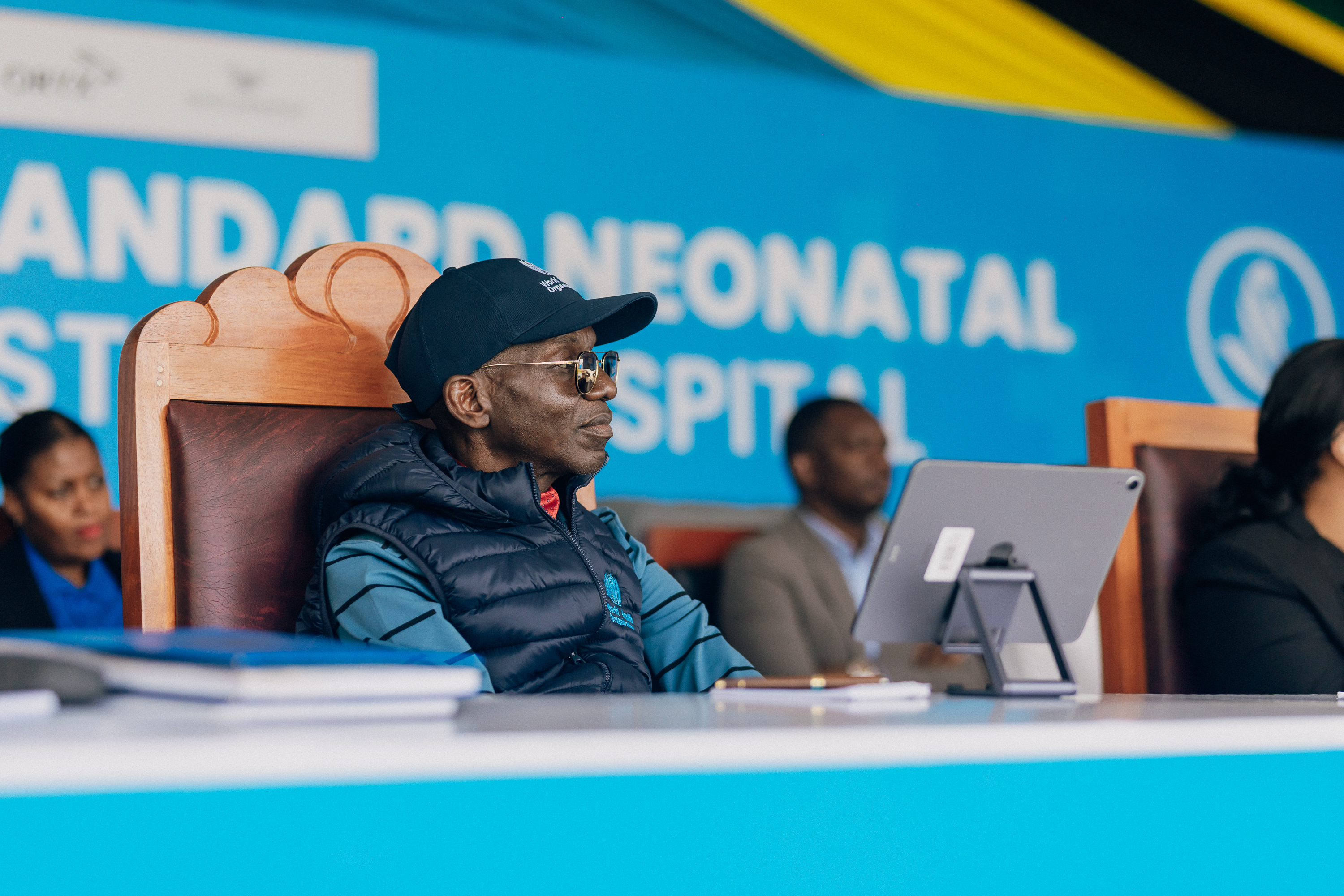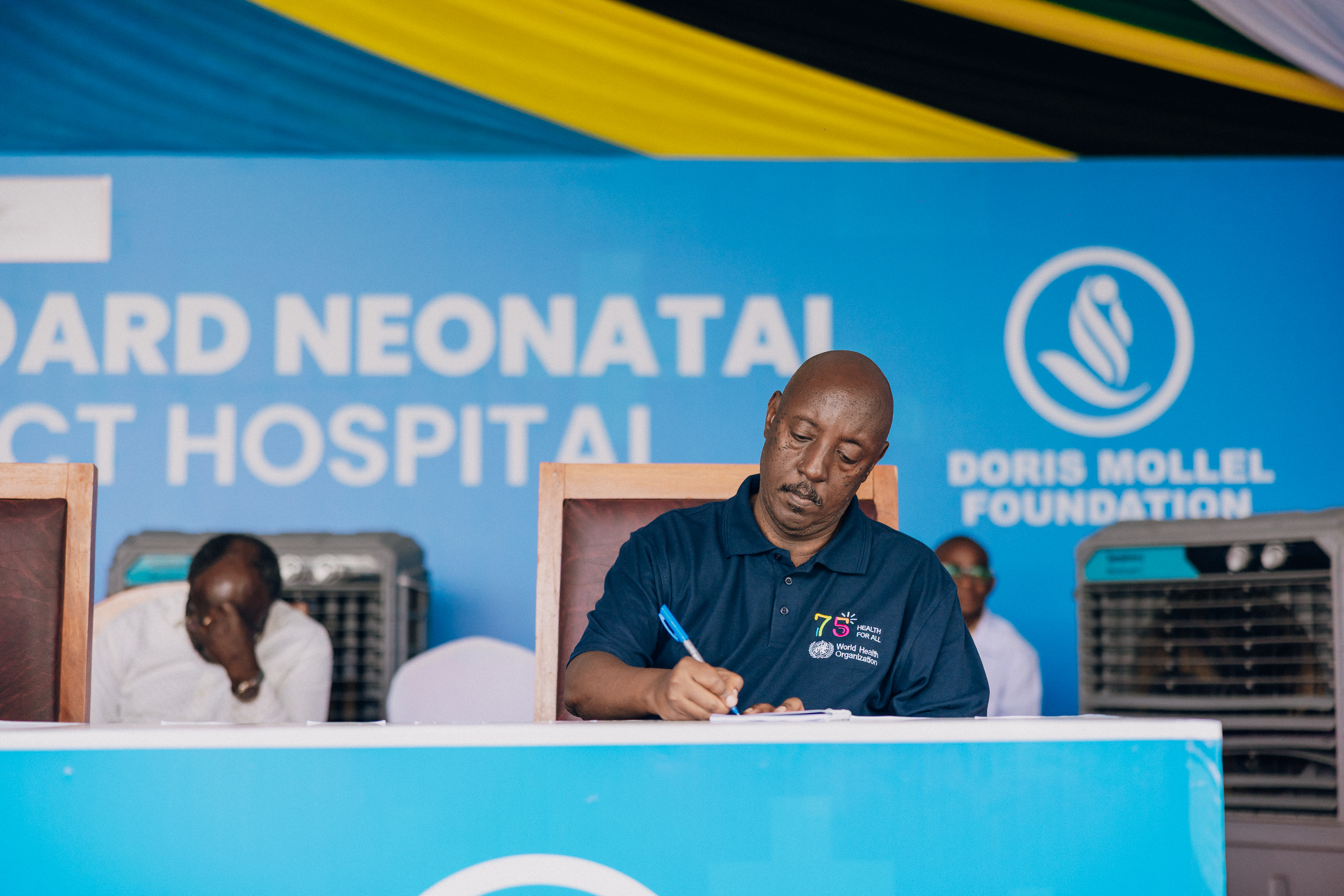
Building Specialized Newborn Care Closer to Families in Kwimba
Every year, millions of babies are born too soon or too small, placing them at high risk of infection, developmental delay, and death during infancy and childhood. In Tanzania, neonatal disorders continue to be one of the leading causes of death among children under five, with many newborn deaths occurring in the first hours and days after birth. This burden is especially severe for premature and low birthweight babies. Nearly half of newborn deaths occur within the first 24 hours after birth, and about 80% of neonatal deaths occur among low birthweight and preterm babies, making timely access to quality newborn care essential for survival.
Why Kwimba
Kwimba District, in the Mwanza Region of the Lake Zone of Tanzania, has an average of 18,073 births per year, with around 7% being low birth weight newborns, yet for years it had no neonatal care unit. All sick, low birth weight, or premature newborns had to be referred over 100km on poor roads and in less-than-ideal conditions to the regional hospital to receive life saving care. Due to the distance and the associated costs, some mothers were unable to take their critically ill newborns to the regional hospital to get the care they needed, causing preventable loss of life.
DMF's Response in Kwimba
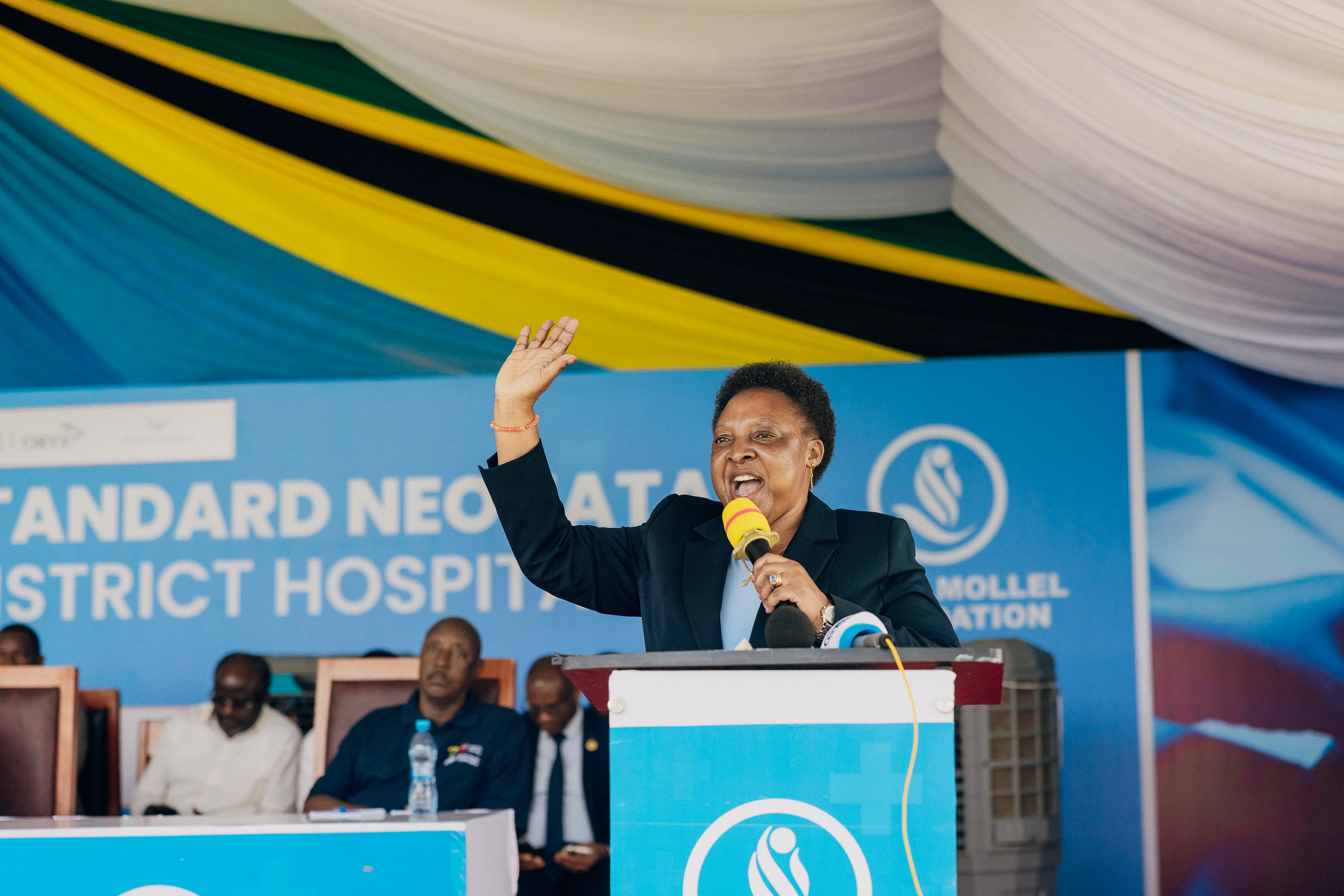
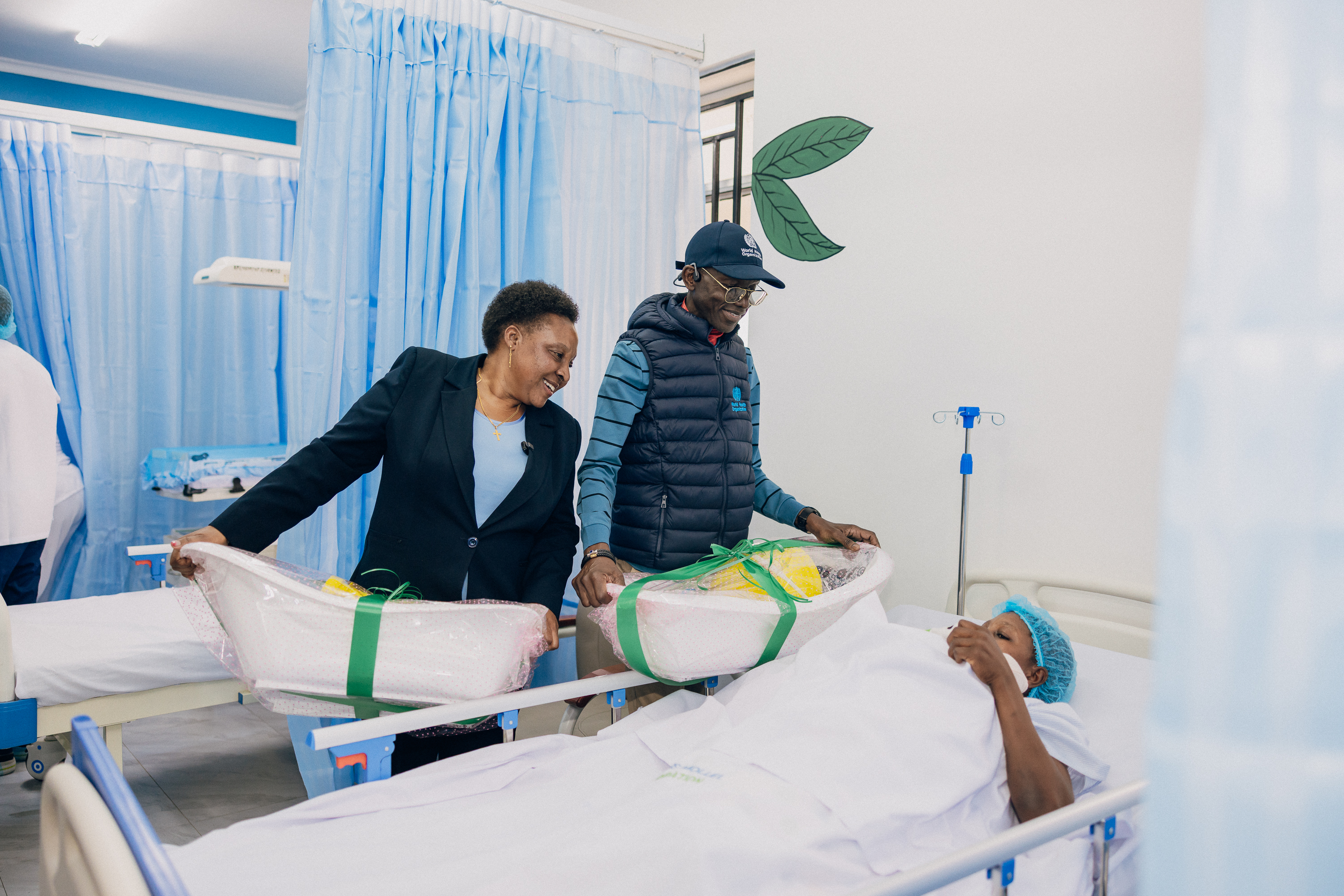
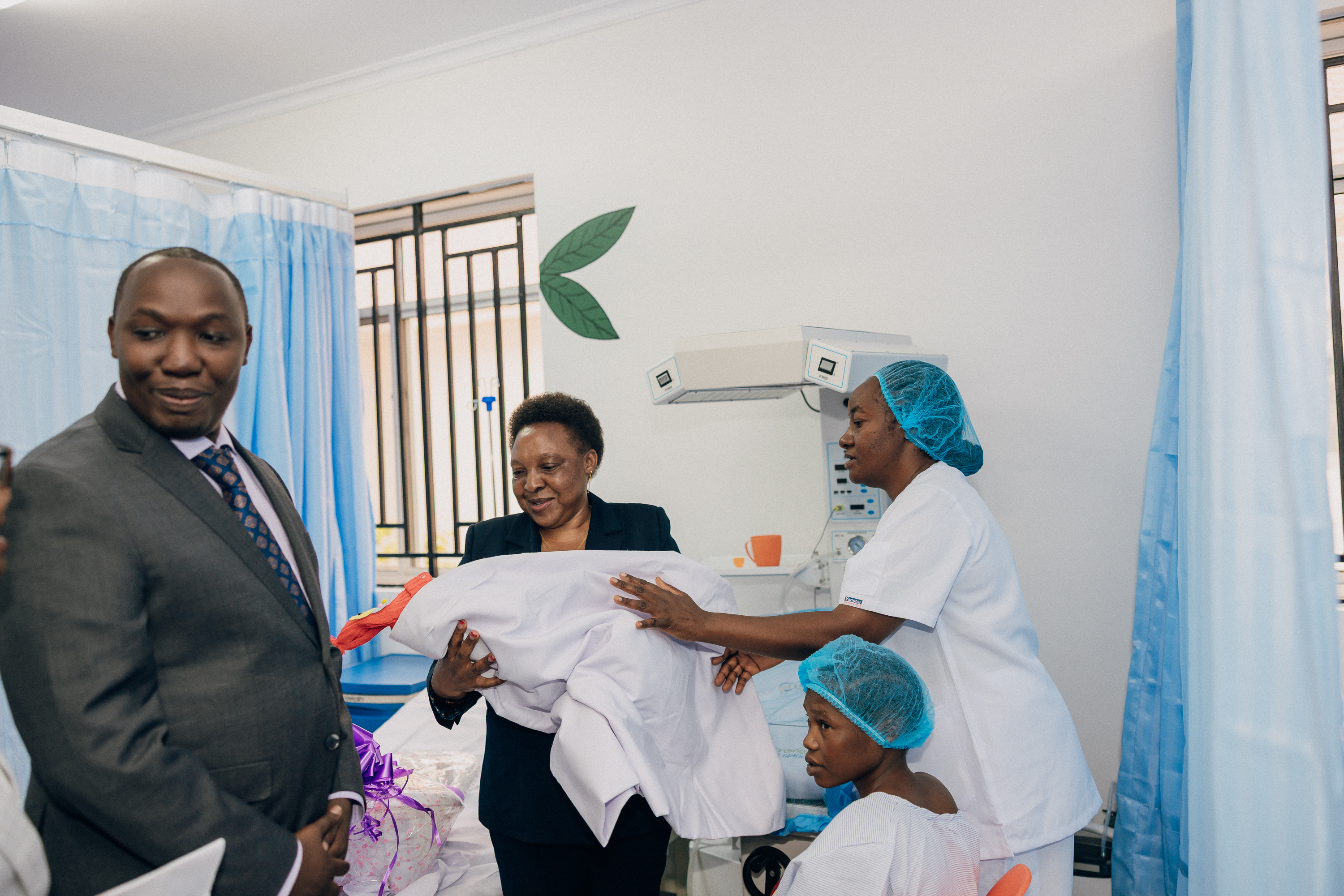
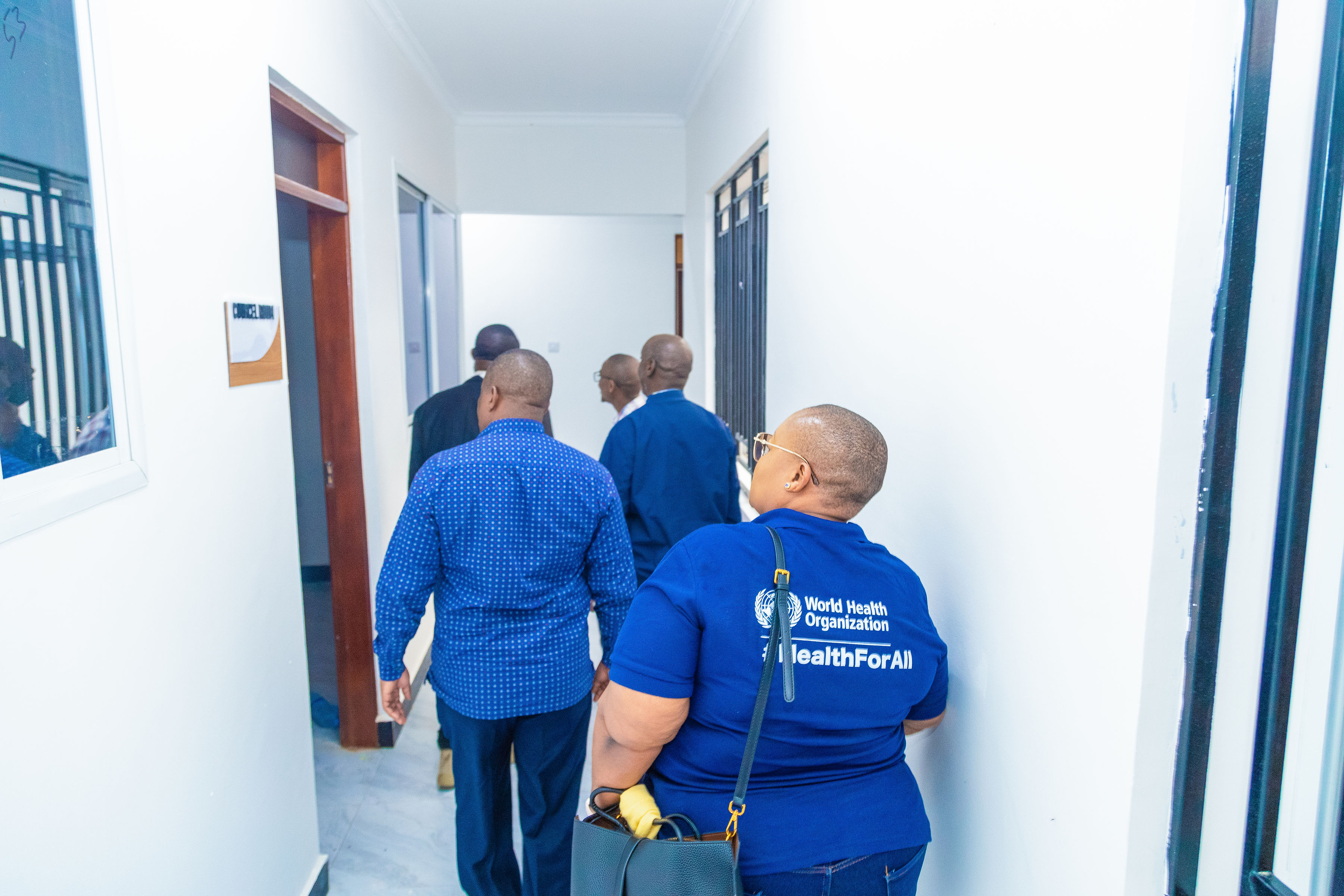
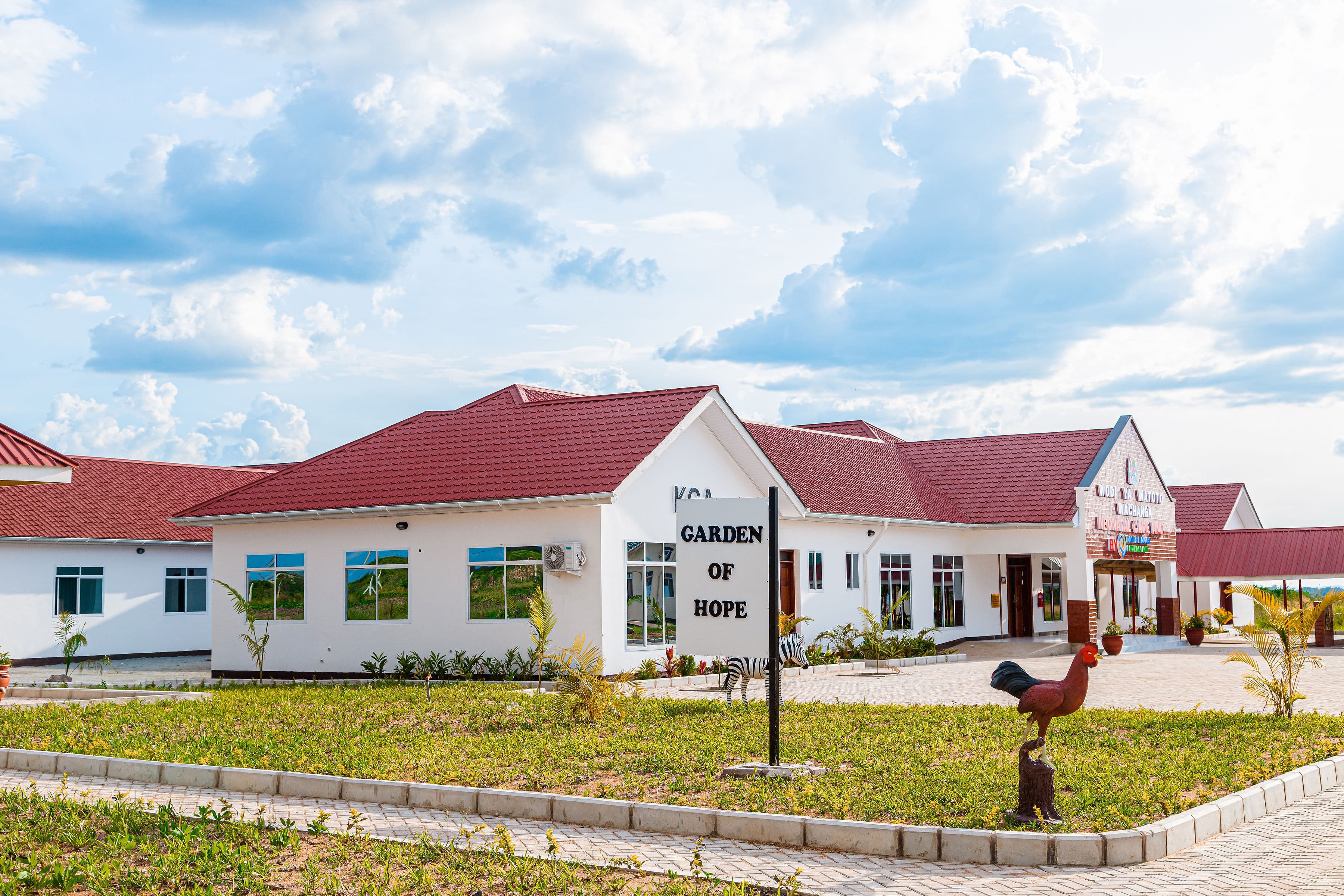
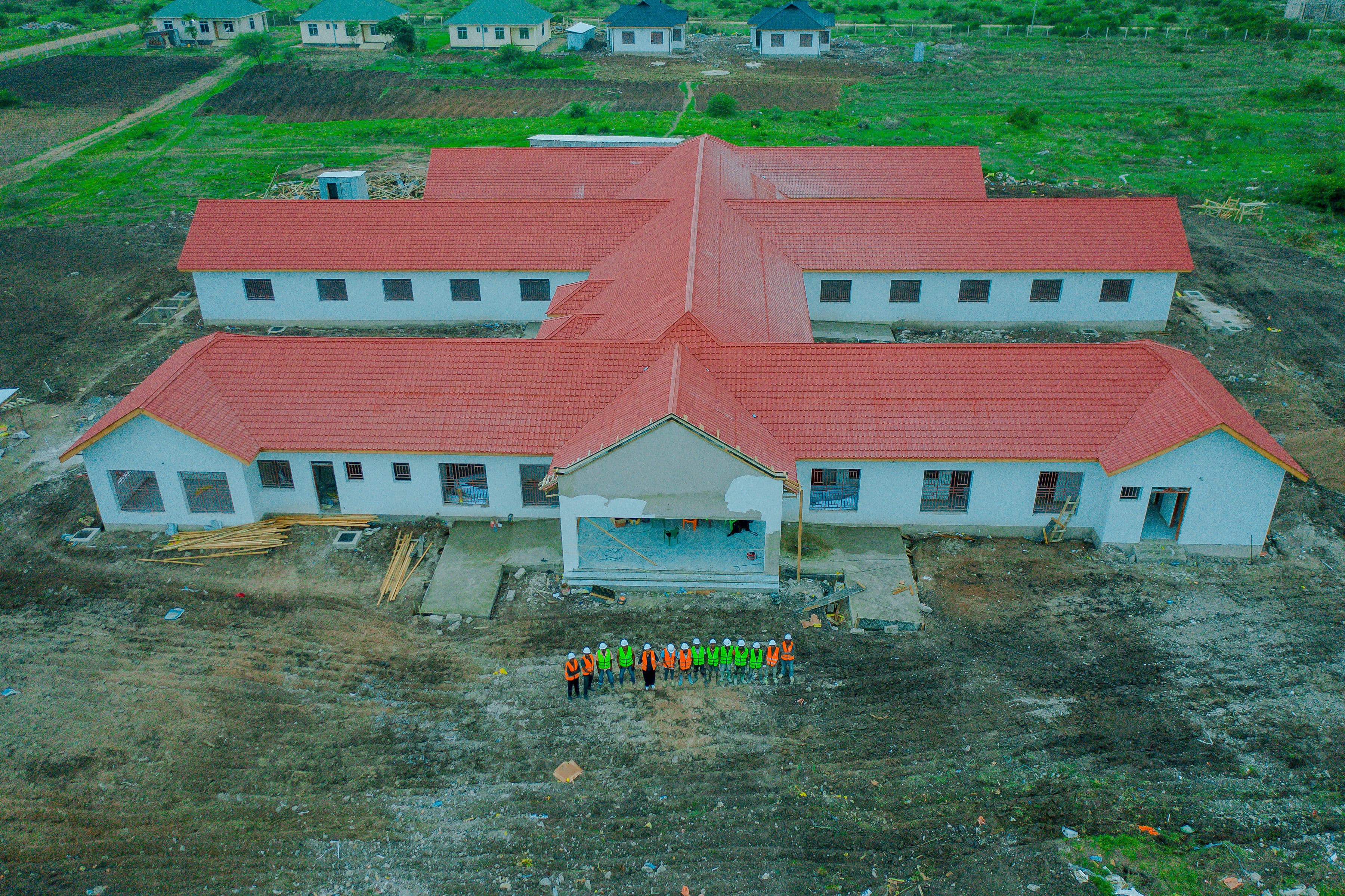
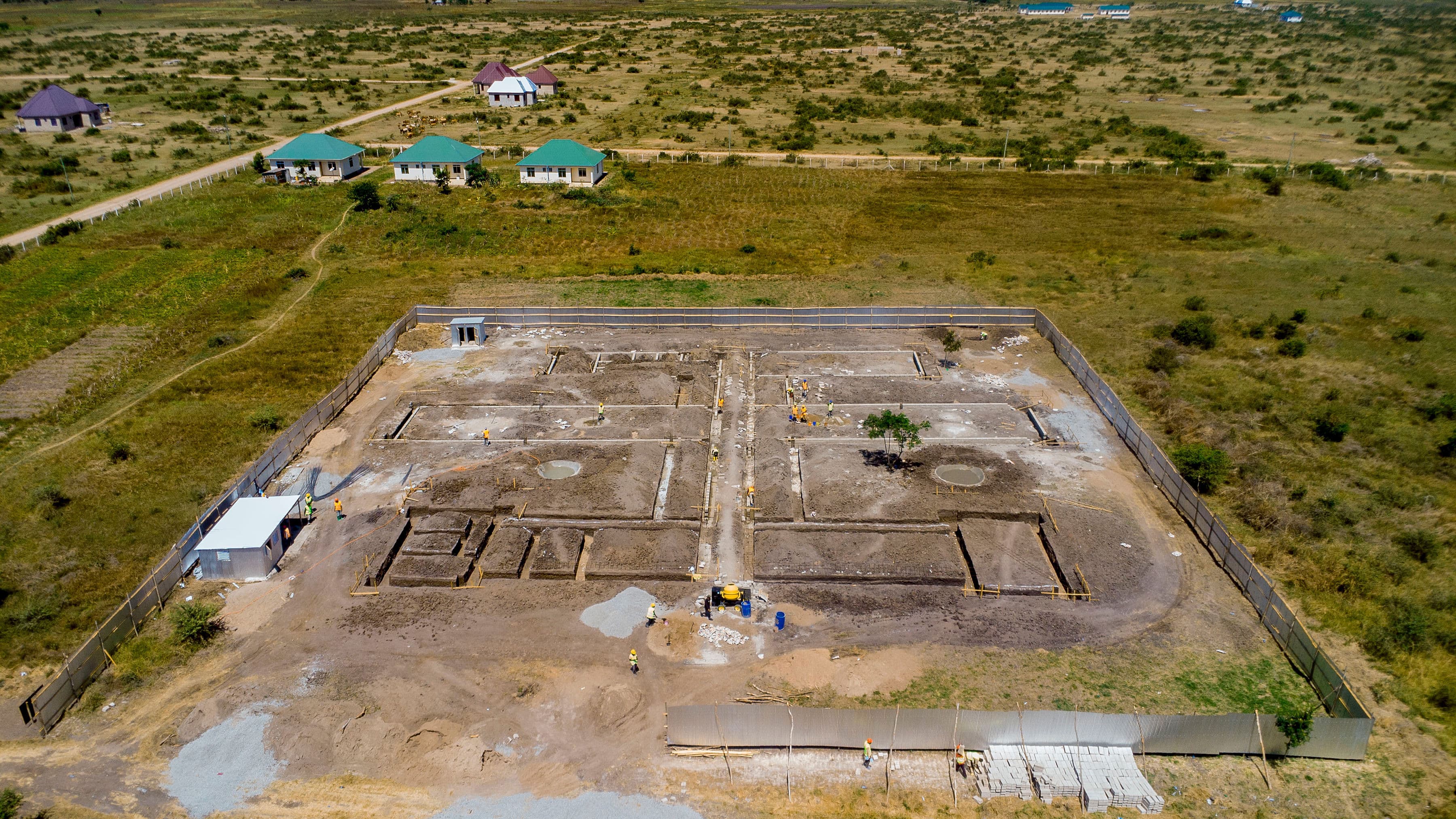
The Kwimba Mother and Newborn Care Unit is DMF's response to this gap. Located at Kwimba District Hospital, the unit provides specialized care for premature, low birthweight, and critically ill newborns who previously had no access to nearby neonatal care. The unit includes a general neonatal ward, a High Dependency Unit, and a Kangaroo Mother Care section, creating a dedicated space for newborns who need immediate and continuous support, with the capacity to care for 42 newborns at once. The unit is also supported by on-site staff houses. This is important because specialized newborn care depends not only on buildings and equipment, but also on the immediate availability of trained health workers.
HowisKwimbaMNCUDifferent?
Parent-informed design
Parents of low-birthweight, sick newborns and premature babies contributed to the layout and care model.
Zero Separation
Mother and newborn are kept together throughout care, supporting continuous kangaroo mother care and breastfeeding.
First of its Kind
The first district-level Maternal and Neonatal Care Unit of its kind in Tanzania.
Localized
Designed around how families in Kwimba live and work.
A Model Built to Last and to Scale
Fully launched and operational since February 28, 2026, the project establishes a forward-thinking blueprint for sustainable, decentralized healthcare systems across East Africa. Through addressing structural vulnerabilities at the district level, DMF ensures that high-quality medical infrastructure can thrive outside of major city centers, proving that geographic isolation should never be a barrier to specialized medical attention. The model is highly replicable. Government stakeholders have already expressed interest in adopting this approach in other regions. Opportunities for scale exist through partnerships with governments, non-governmental organisations, and private sector actors committed to health innovation.
What World Health Leaders Say About Kwimba
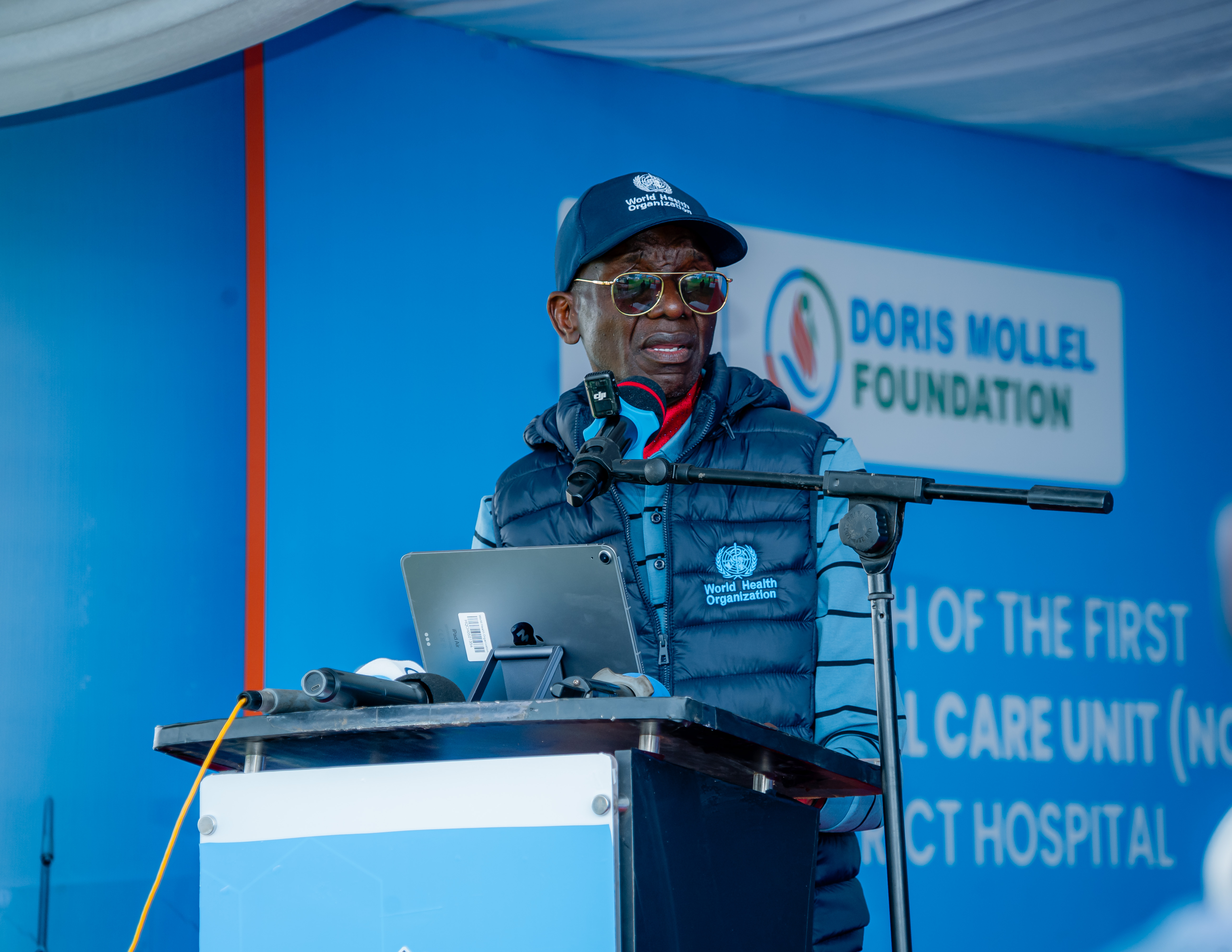
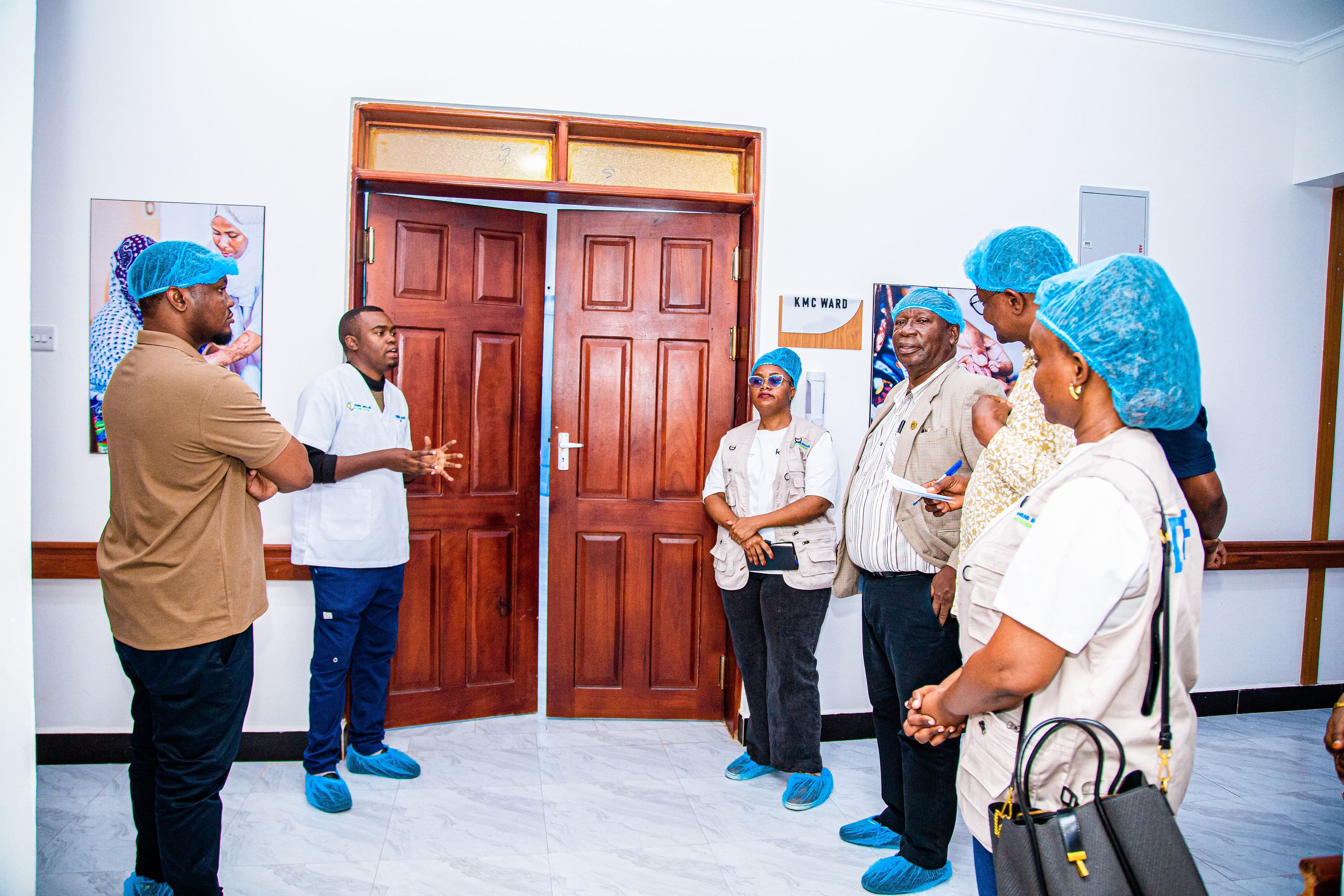
This newly launched NCU building fully complies with all Ministry of Health standards. It allows mothers to stay with their children, and giving fathers a role in early care. It will reduce costs and minimize referrals, positioning Kwimba as a referral center for bordering district councils.