Engagement of Community Influentials to Support Malaria Programs during COVID-19
When the COVID-19 pandemic disrupted health systems across Tanzania, the impact reached far beyond the virus itself. Routine services for malaria, maternal health, and child health were stretched thin, while fear, misinformation, and limited access to care left vulnerable communities exposed to preventable disease. Pregnant and lactating mothers, who are among the most at risk of severe malaria, faced compounded threats: a heightened risk of infection, reduced access to antenatal services, and uncertainty about whether to take the COVID-19 vaccine.
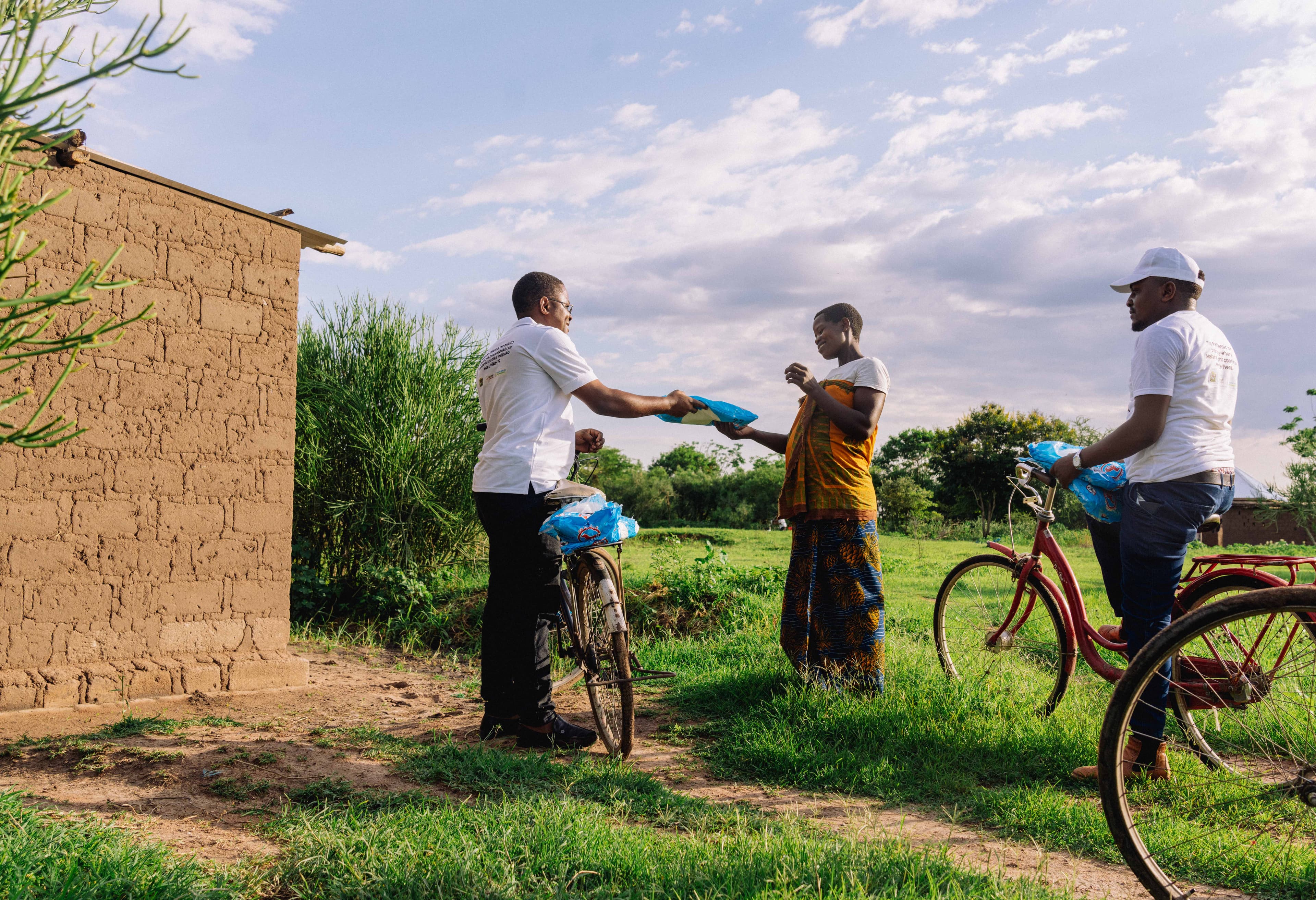
The Global Fund COVID-19 Response Mechanism (C19RM) project was funded by the Global Fund through Amref Health Africa in Tanzania, which served as Principal Recipient. Amref engaged the Doris Mollel Foundation as the implementing partner under activity Budget Line 294: Engagement of Community Influentials to Support Malaria Programs during COVID-19. The project was implemented across the regions of Simiyu, Kagera, and Shinyanga.
The project's goal was to mitigate the negative impact of the COVID-19 outbreak on malaria care, focusing on pregnant and lactating mothers and the community influentials who shape their access to information and services. DMF delivered the project through:
- Capacity building seminars for pregnant and lactating mothers on protecting themselves and their children from malaria during the COVID-19 pandemic.
- Community influential engagement, training and mobilizing health workers, community leaders, and local champions to deliver accurate information on COVID-19 and malaria.
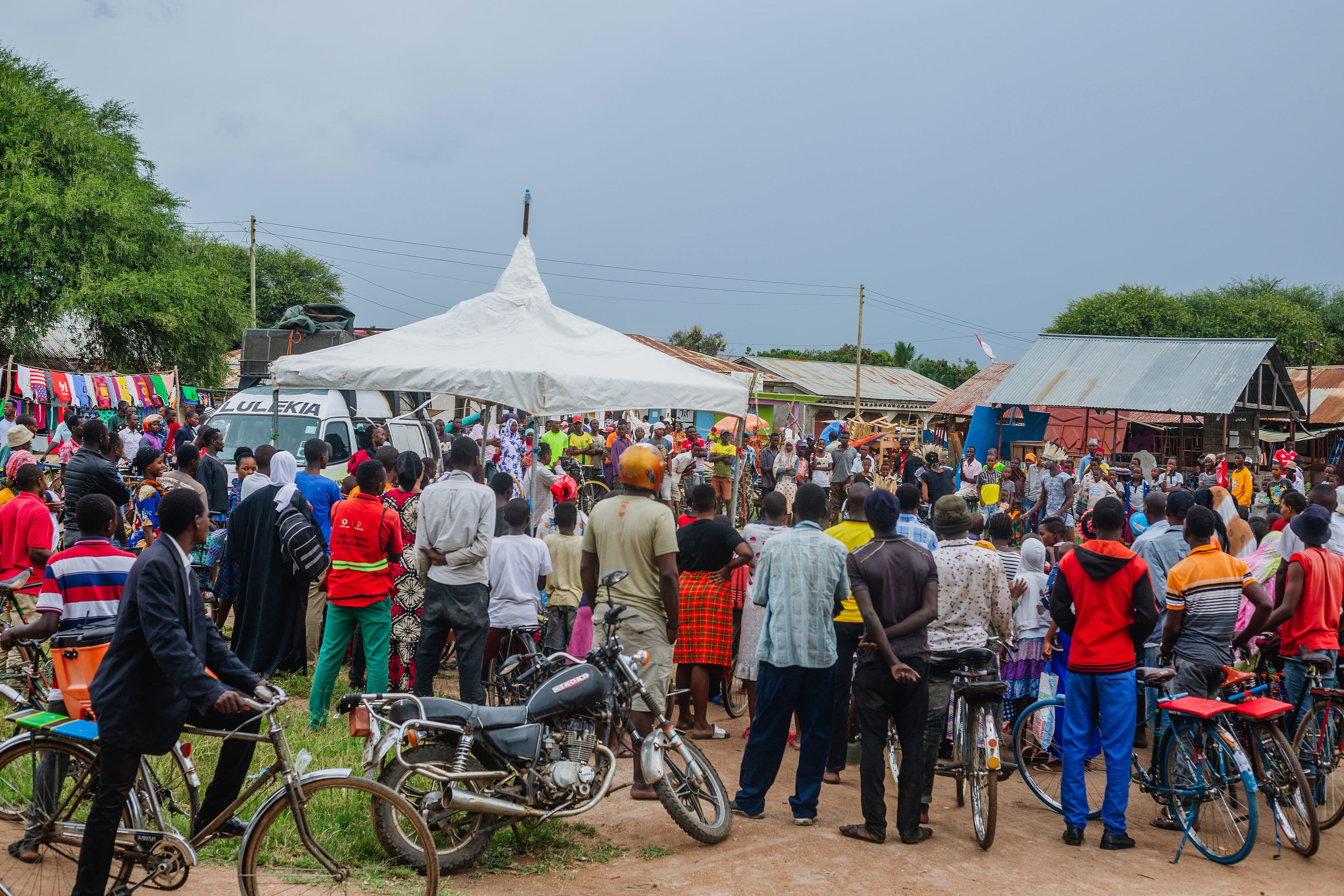
- Outreach activations to mobile locations, bringing education and services closer to households in hard to reach areas.
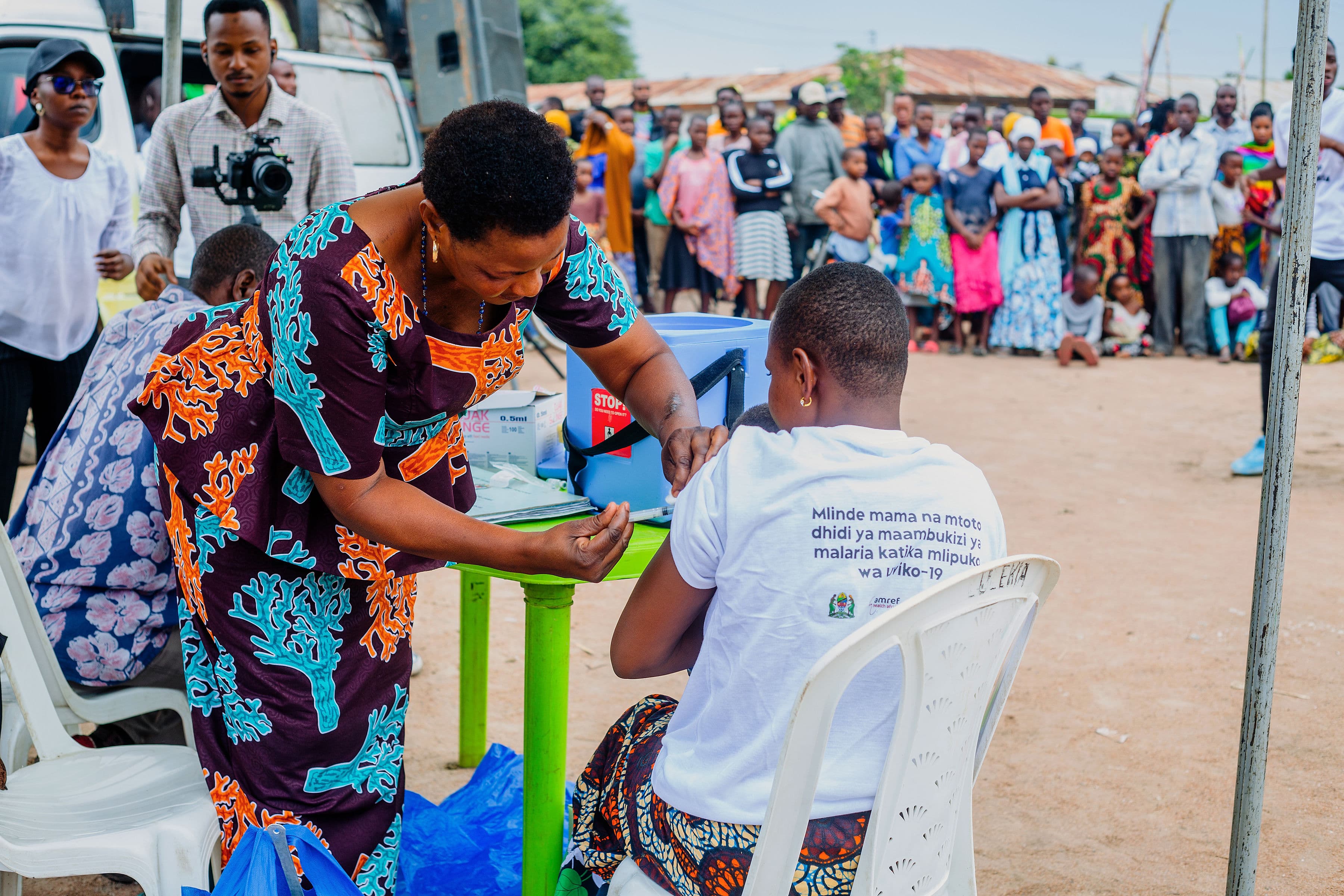
- Vaccine advocacy, encouraging uptake of approved COVID-19 vaccines and addressing myths and misinformation.
- Donation of treated mosquito nets to vulnerable households to strengthen malaria prevention.
Training was delivered across five thematic phases: basic education on COVID-19; COVID-19 vaccination; community involvement in the COVID-19 response; basic education on malaria; and malaria prevention during the pandemic. The curriculum was designed to be accessible to participants across literacy levels and to equip influentials with the tools to continue delivering messages long after project closure.
By August 2022, the project had reached 708 pregnant and lactating mothers through ground activations and seminars, trained 110 health and community care workers on COVID-19, vaccination, and malaria prevention, vaccinated 115 pregnant and lactating mothers against COVID-19, and engaged 203 additional community members. Media engagement, online publications, and television presentations extended the reach to 45,880 people, and project teams travelled more than 4,479 kilometres to deliver training and donate medical commodities.
The project was endorsed by senior government leaders, including the then Deputy Minister of Health, Hon. Dr. Godwin Mollel, and Member of Parliament Hon. Patrobas Katambi, who praised the household level approach as a model that could be scaled nationally. The C19RM project reflects DMF's ability to respond rapidly in moments of crisis, working through trusted partnerships and on the ground engagement to keep essential health services reaching mothers and families when systems are under strain. To learn more about our impact or to request an external evaluation of this project and our approach, please email us at programs@dorismollelfoundation.org.