Strengthening the Sexual and Reproductive Health of Adolescents in Tanzania
Adolescents and young people aged 10 to 24 in Tanzania face high rates of teenage pregnancy, gender based violence, and early marriage, alongside limited access to youth friendly sexual and reproductive health (SRH) services. In the Dodoma Region, these challenges are compounded by cultural silence around sexuality, restricted access to accurate information, and weak service delivery for both in school and out of school youth.
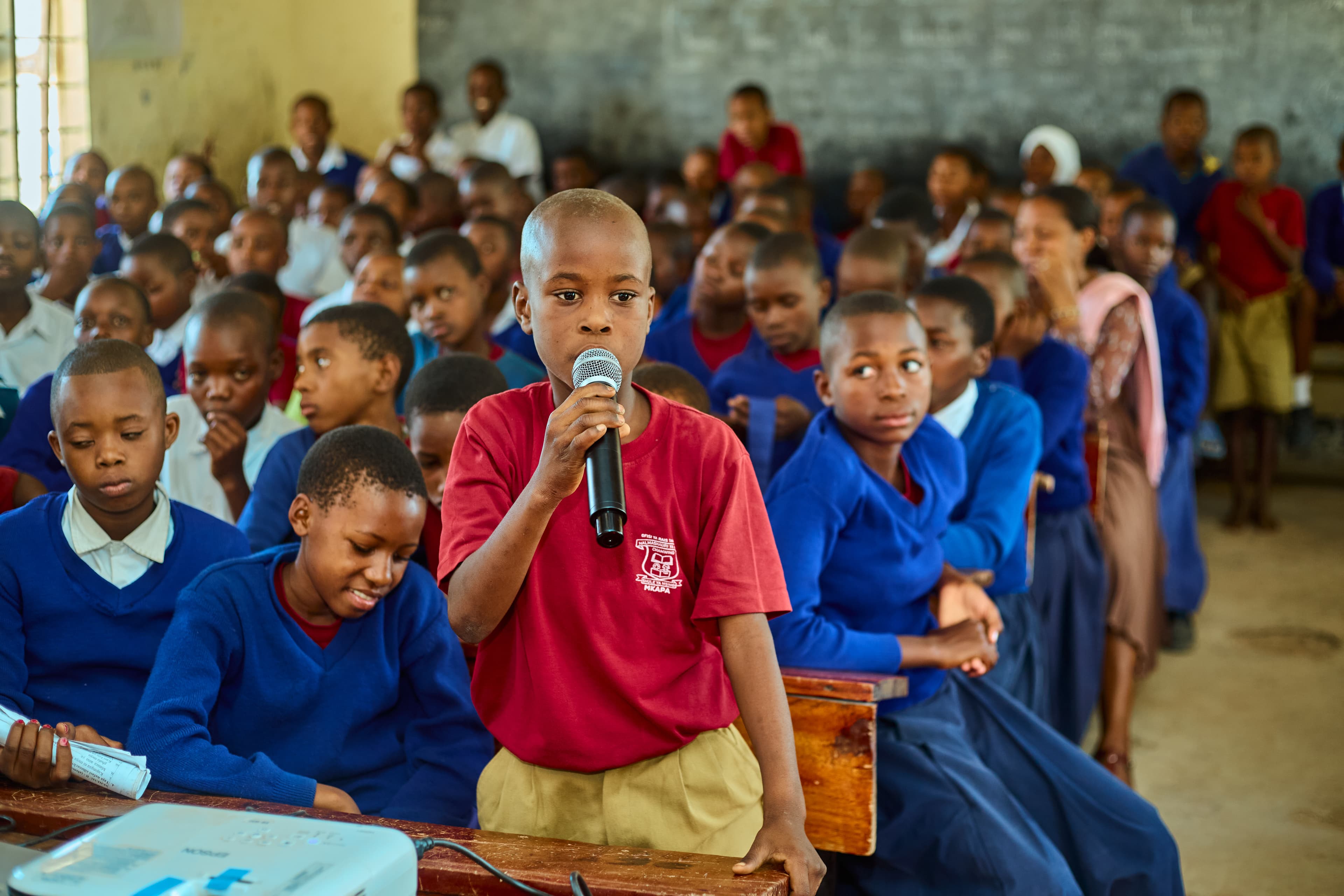
The TanzAfya Project is a two year intervention (July 2023 to August 2025) funded by the French Ministry for Europe and Foreign Affairs (MEFA) and implemented in Dodoma City Council and Chamwino District Council. The project was delivered through a consortium led by Médecins du Monde Tanzania, with the Doris Mollel Foundation and Chama cha Uzazi na Malezi Bora Tanzania (UMATI) as implementing partners. TanzAfya incorporates DMF approach and strategy that places adolescents at the centre of Tanzania's reproductive health agenda, using creative, evidence based, and youth led approaches to break cultural silence and expand access to the information and services young people need to thrive.
The project worked through four complementary components:
- Health promotion through participatory media and community outreach, including cinebus film screenings and interactive dialogues.
- Capacity building for healthcare providers, teachers, and peer educators to deliver adolescent and youth responsive SRH services.
- Service delivery through youth friendly platforms and mobile outreach to improve accessibility, particularly in underserved areas.
- Advocacy at community and policy levels to mobilize institutional support and strengthen the enabling environment for adolescent SRH.
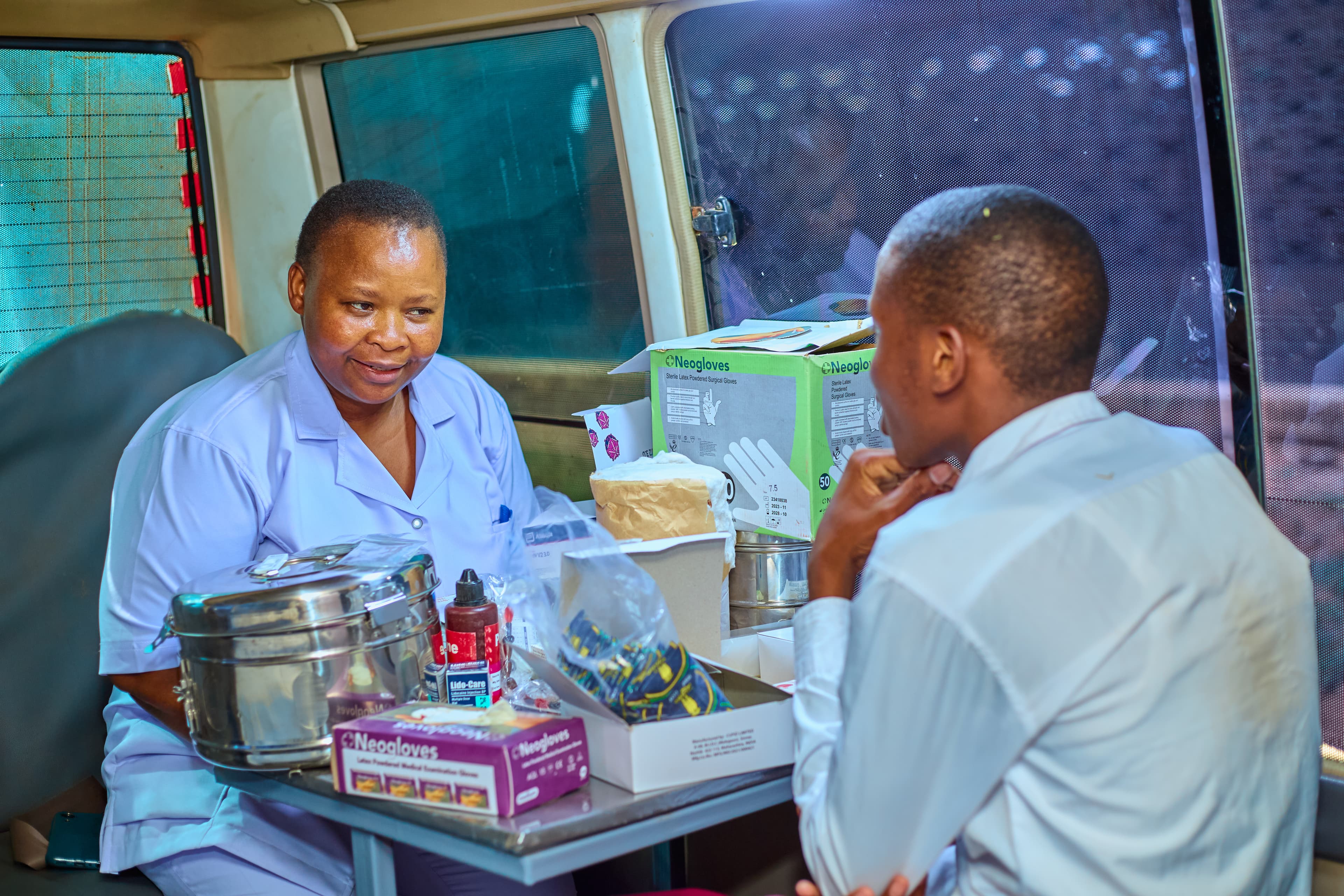
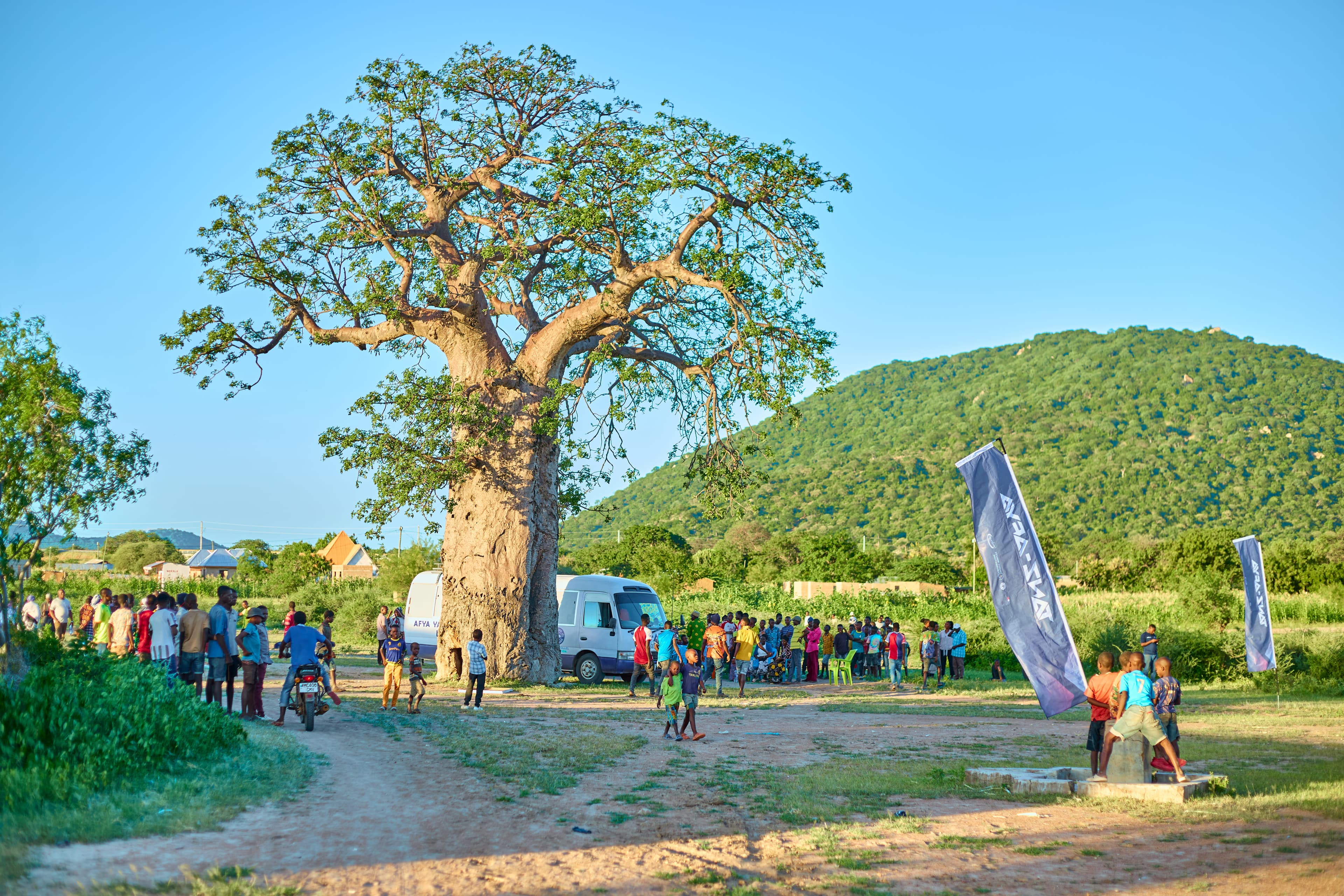
At the heart of TanzAfya were three signature innovations. Youth Weekend Clinics offered confidential, stigma free SRH services on Saturdays and Sundays when adolescents were free from school and household duties. The Cinebus, a mobile van equipped with consultation rooms and multimedia facilities, brought films, education, and on site services such as HIV testing, counselling, and contraception directly to hard to reach communities. Two DMF produced Swahili films, Kitanzi and Subira, used real life stories to spark community dialogue on consent, early pregnancy, and harmful gender norms.
By August 2025, TanzAfya had reached 91,141 adolescents and youth (47,745 in school and 43,396 out of school) with SRH education and messages through peer educators. The project conducted 305 Youth Weekend Clinics, serving 7,516 adolescents who accessed family planning methods, STI screening including HIV, and condoms. Through 25 supported health facilities, the uptake of modern contraceptives among adolescents and young people increased by 90% in Chamwino District Council and 8% in Dodoma City Council. Adolescent pregnancy rates in supported facilities fell from 13% in 2023 to 12% in 2024, and new STI cases among adolescents and youth declined by 10% over the same period. The project also trained 132 key actors, including 37 healthcare providers, 32 teachers, and 63 peer educators, and engaged 6,118 parents and caregivers and 2,975 religious and influential leaders to build community acceptance.
Beyond service uptake, TanzAfya influenced policy and systems. Through targeted advocacy, councils in Chamwino and Dodoma committed to integrating Youth Weekend Clinics into their Comprehensive Council Health Plans, ensuring continuity beyond the project period. The independent end of project evaluation found TanzAfya highly relevant, well coordinated with national strategies, and impactful, concluding that it offers a scalable model for youth centered SRH programming in similar contexts. To learn more about our impact or to request an external evaluation of this project and our approach, please email us at programs@dorismollelfoundation.org.