Protecting and Empowering Vulnerable Adolescent Girls and Young Women
Across Tanzania, adolescent girls and young women (AGYW) aged 10 to 24 carry a disproportionate burden of HIV, gender based violence, school dropout, early pregnancy, and child marriage. Many are out of school, in unsafe environments, or recovering from violence, and they lack the social protection systems needed to stay healthy, continue learning, and reach their full potential. Without targeted interventions, the cycle of vulnerability deepens.
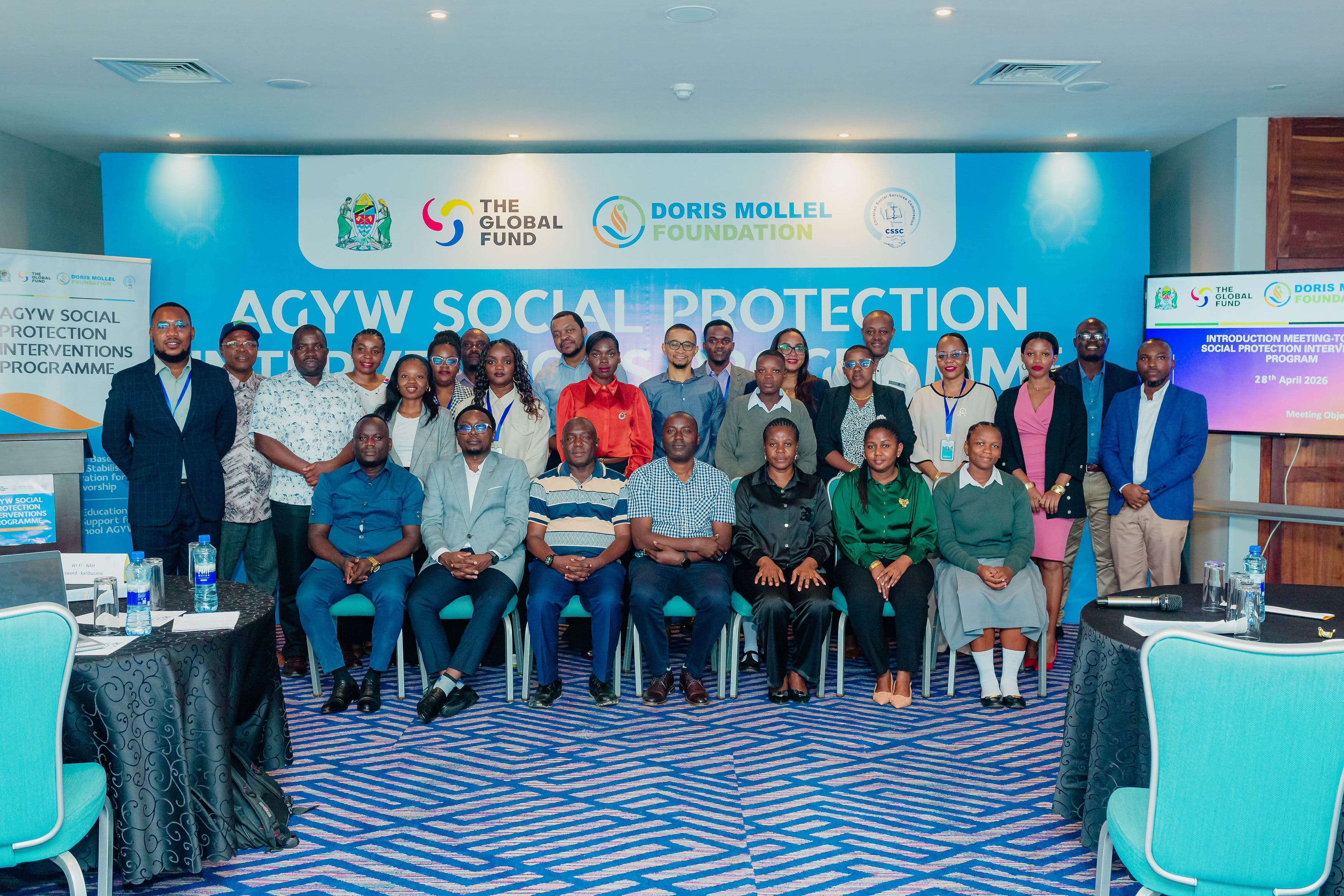
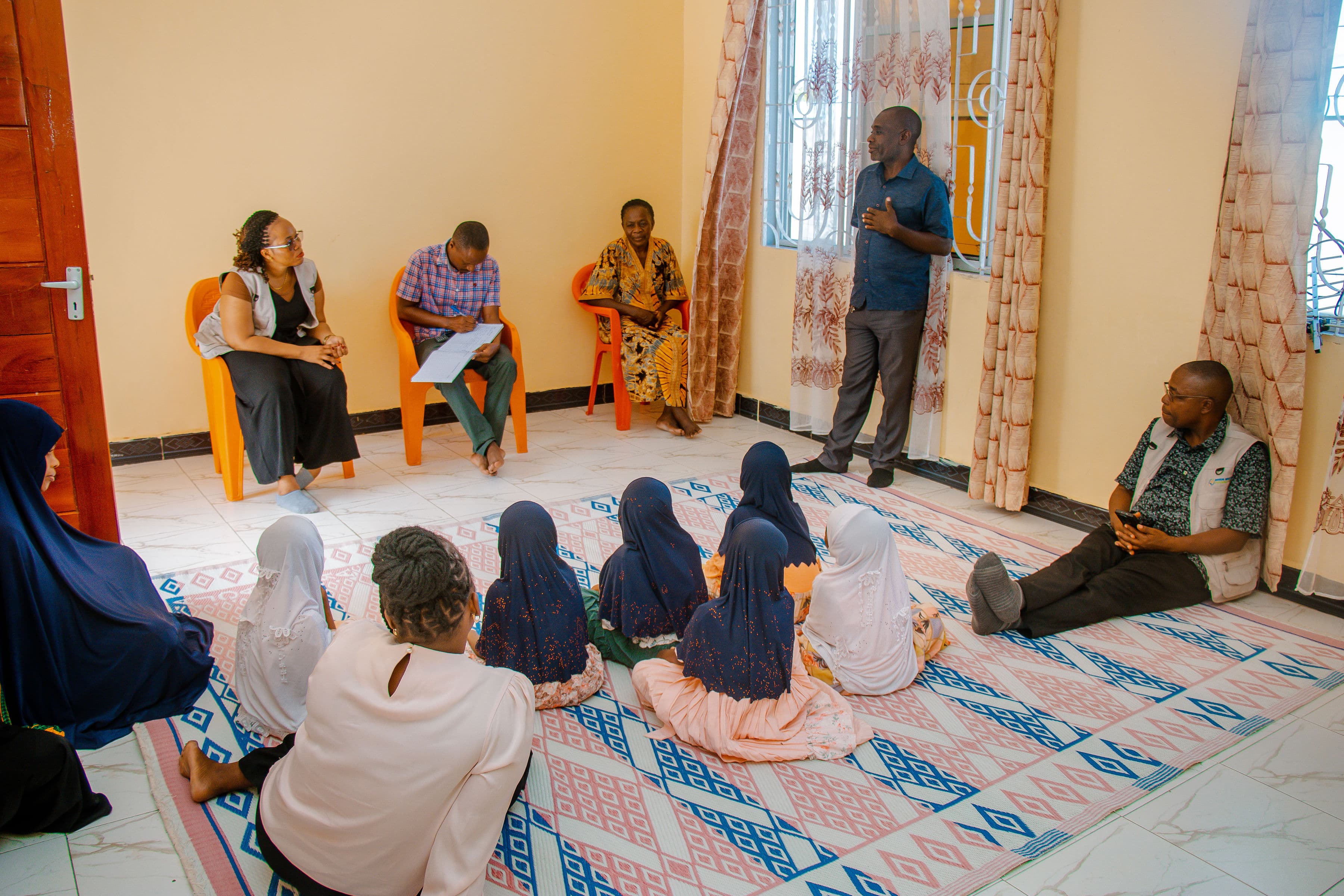
The Global Fund AGYW Social Protection Programme is part of the Global Fund's Fiscal Year 2025/26 HIV grant to Tanzania, delivered through the Principal Recipient mechanism led by the Tanzania's Ministry of Finance. The Ministry of Health serves as Lead Sub Recipient, with the Christian Social Services Commission (CSSC) as the Sub Recipient. The Doris Mollel Foundation has been engaged to lead the implementation of Catch Up Education Support for 1,985 out of school AGYW, including school re-entry, COBET/MEMKWA, and vocational training pathways, and Safe House Support for survivors of gender based violence across 94 Safe Houses. Both interventions reach 47 councils across 13 regions of Tanzania Mainland.
Catch Up Education Support
Under the Catch Up Education Support intervention, DMF identifies eligible out of school girls through community outreach, household visits, and eligibility screening, prioritizing those affected by pregnancy related dropout, early marriage, poverty, orphanhood, and caregiving responsibilities. Each beneficiary receives an individualised assessment to determine the most appropriate education pathway, followed by placement into formal secondary schooling, complementary education programmes, or vocational training. Time bound support packages include uniforms, learning materials, meals, transport, and boarding support where applicable. Beneficiaries are linked to psychosocial services, GBV response services, and child protection mechanisms, with attendance, retention, and wellbeing monitored at three month and six month milestones.
Safe House Support
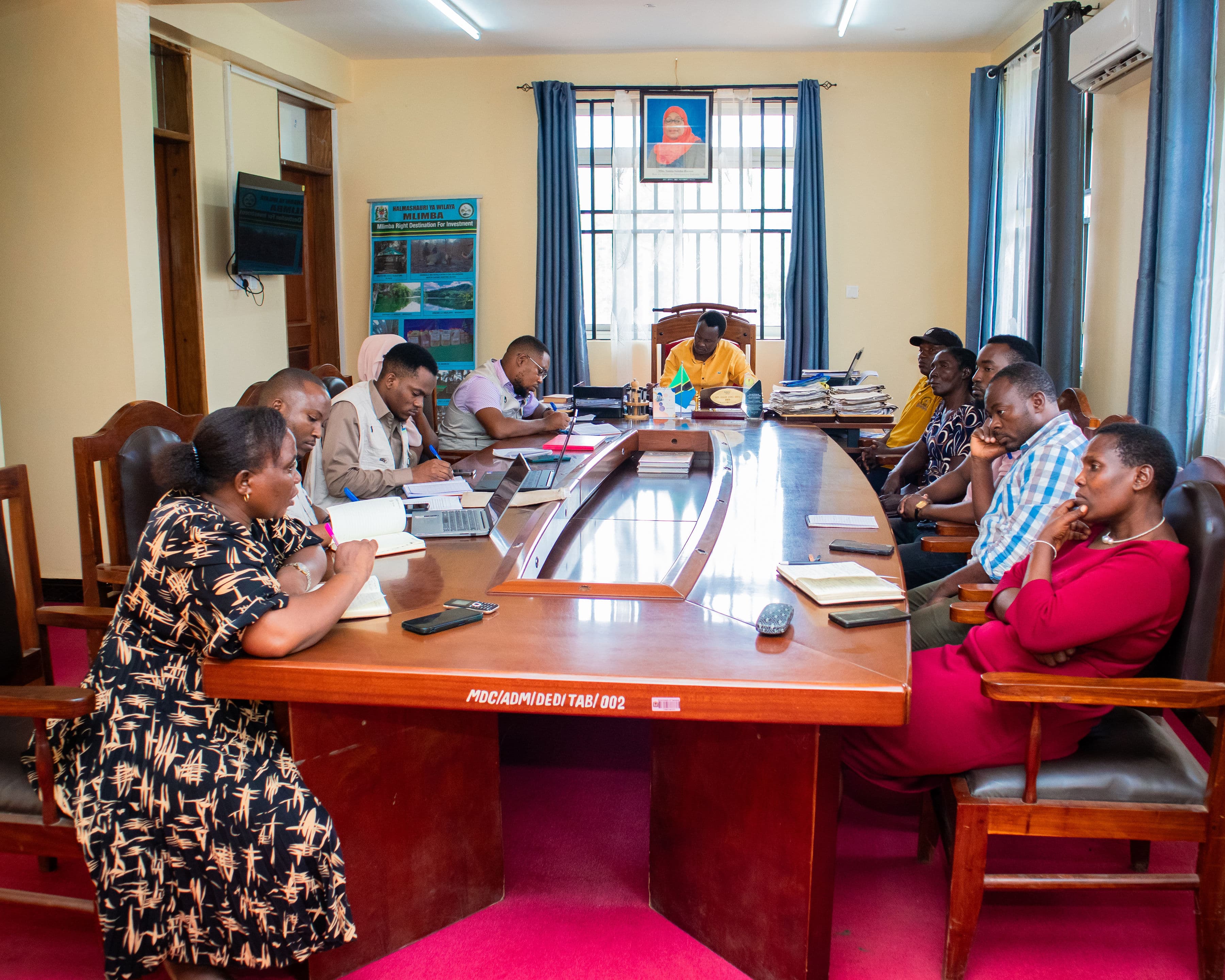
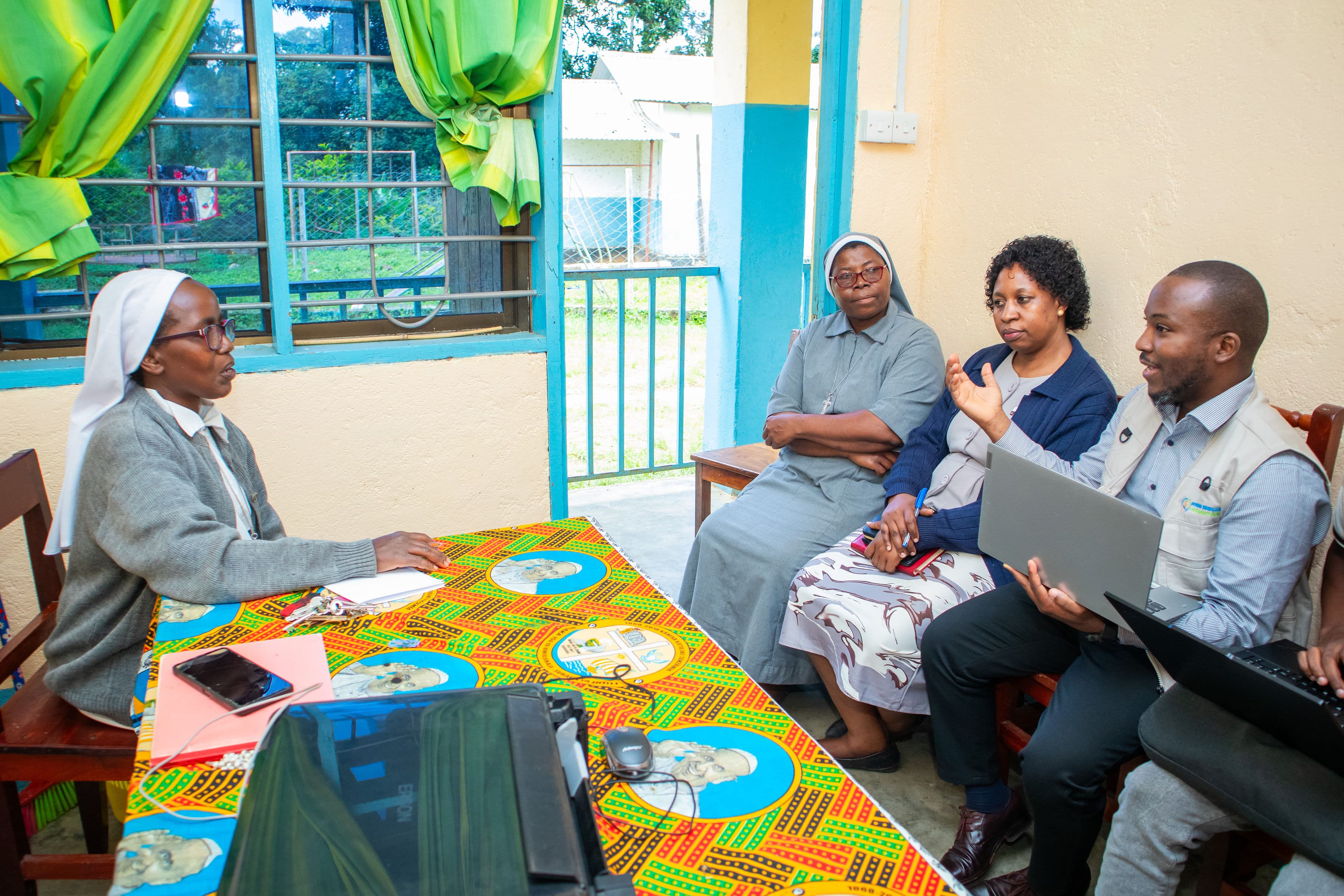
Under the Safe House Support intervention, DMF conducts joint assessments and visits of Safe Houses with Council Social Welfare Officers to evaluate compliance with national Safe House guidelines, infrastructure, staffing, and case management capacity. Survivors are identified, referred, and admitted through AGYW platforms, health facilities, and Police Gender and Children Desks. Each Safe House is supported with secure and confidential accommodation, food, dignity kits, and hygiene supplies, while survivors access HIV testing, post exposure prophylaxis (PEP), sexual and reproductive health services, mental health referrals, psychosocial counselling, and legal and protection services. Voluntary, risk informed reintegration is led by Council Social Welfare Officers, and survivors are re-linked to AGYW HIV prevention platforms and related health services.
The Programme is delivered in close coordination with national, subnational, and partner stakeholders, including the Tanzania Commission for AIDS (TACAIDS), the Ministry of Health, the Ministry of Community Development, Gender, Women and Special Groups, the Ministry of Education and Vocational Training, the Prime Minister's Office Regional Administration and Local Government (PMO-RALG), UNICEF, CSSC, and Tanzania Youth Alliance (TAYOA). This multi sectoral approach ensures policy alignment, statutory compliance, system strengthening, and sustainability beyond the Global Fund funding period.
Through leading the AGYW Social Protection Programme, DMF extends its reach into the lives of girls and young women who are most at risk, ensuring that education, safety, dignity, and health are within their grasp. The Programme reflects DMF's commitment to working through government systems and trusted local partners to protect the rights and futures of Tanzania's most vulnerable adolescents.